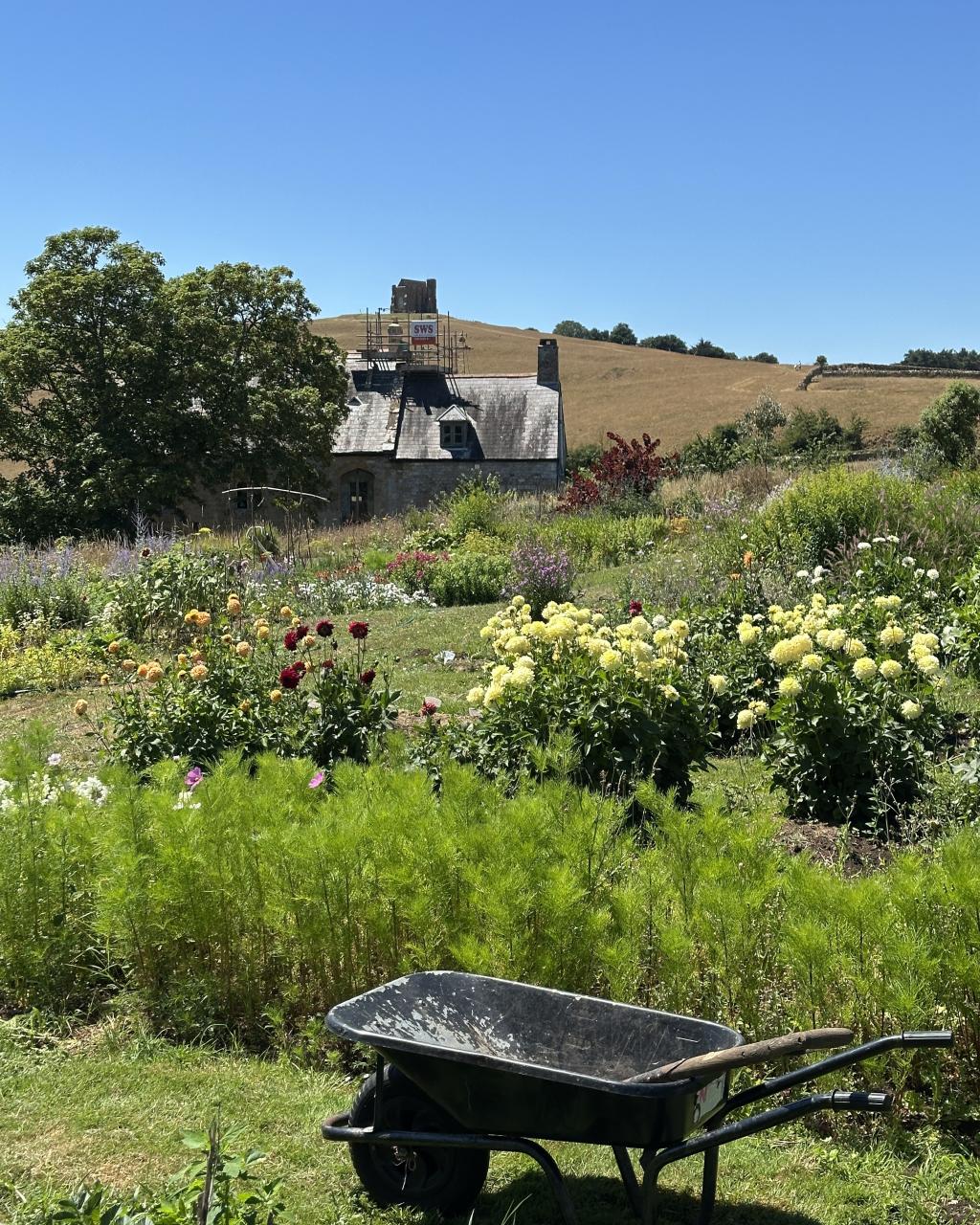
Cottage gardens are back, bringing overflowing borders, climbing roses and beautifully imperfect planting with them. Discover why this timeless garden style feels perfectly at home in Dorset, how to bring the look to your own garden and where to find plants locally.
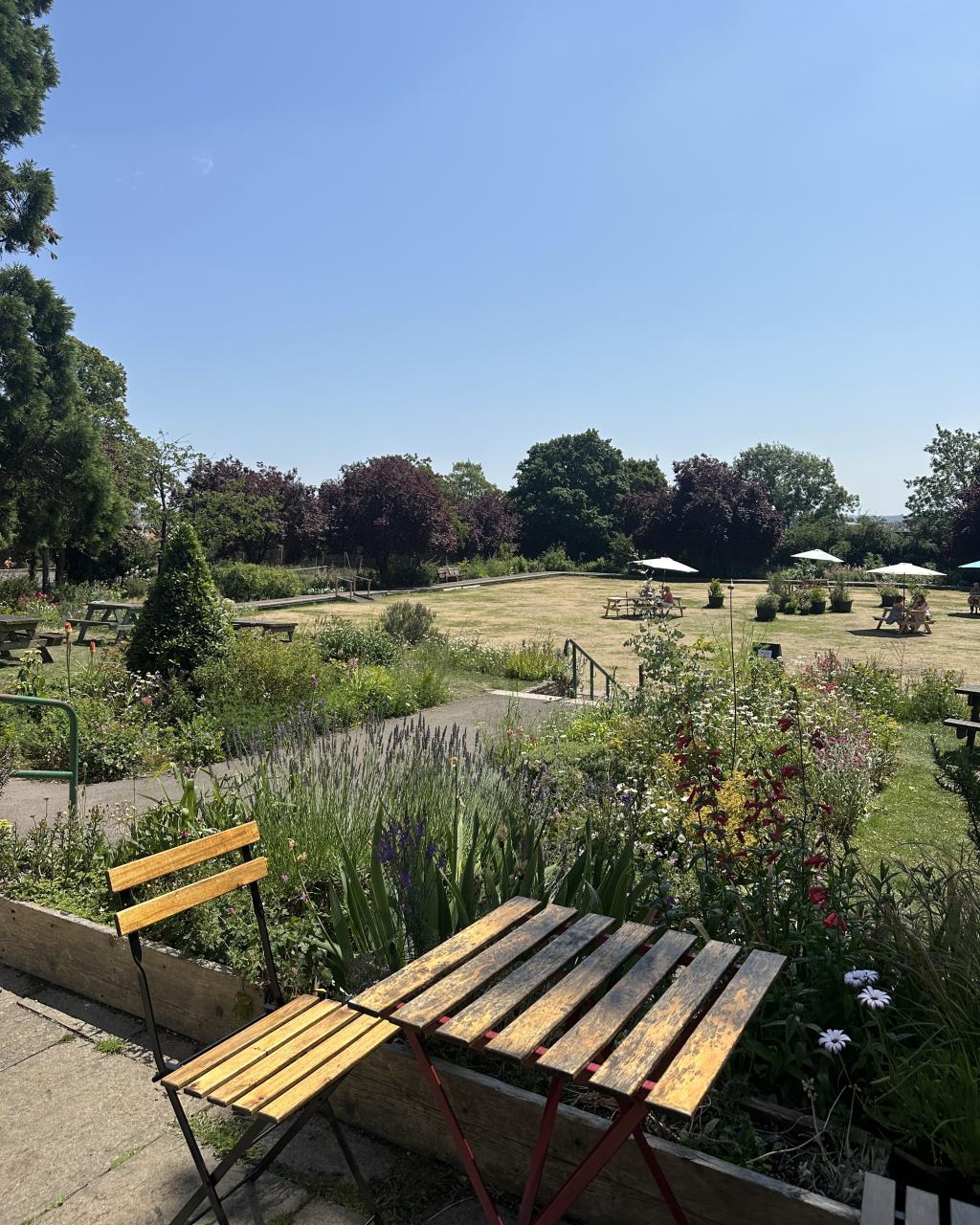
2nd October 2026
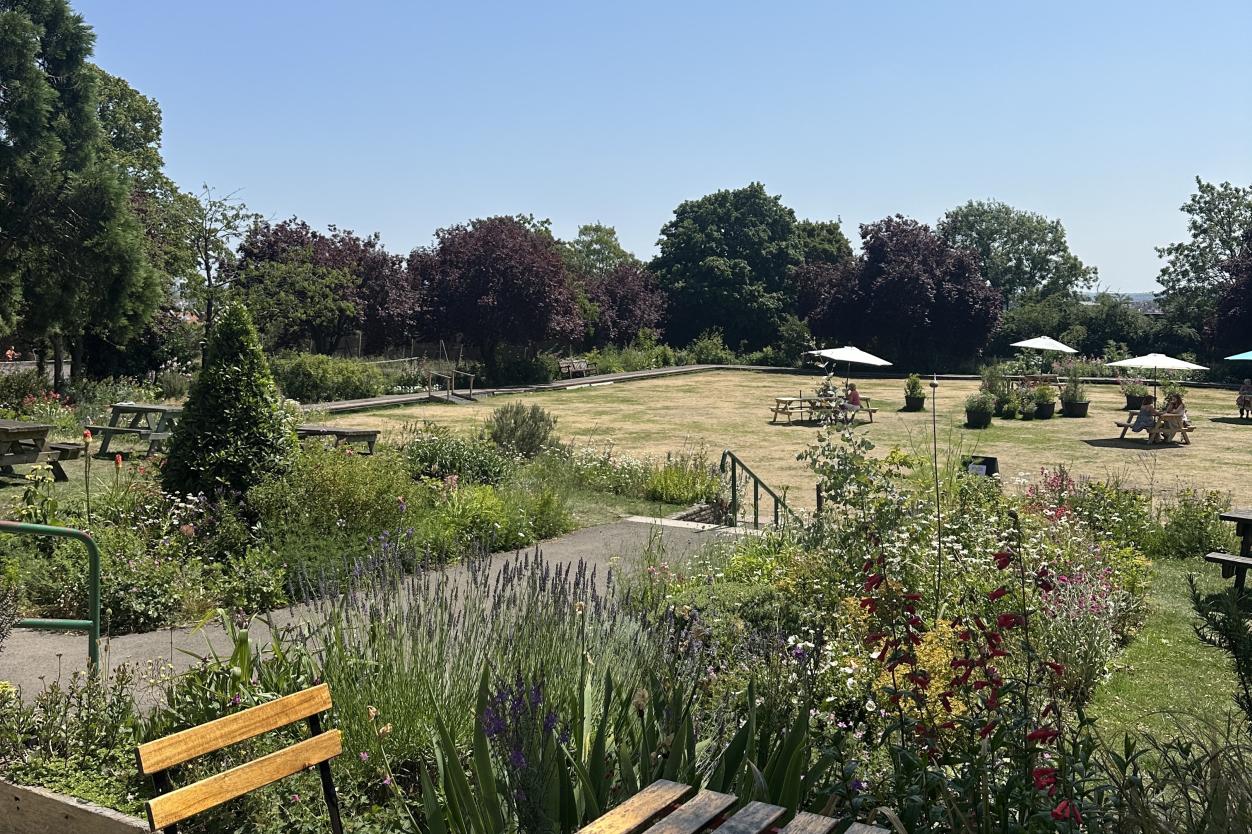
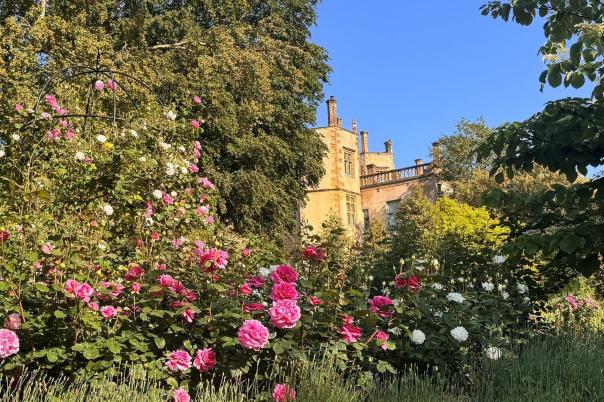
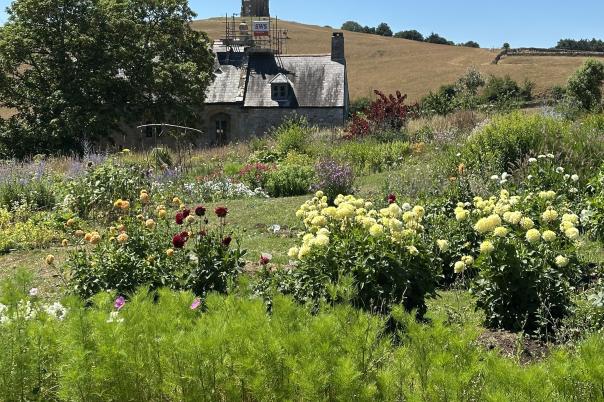
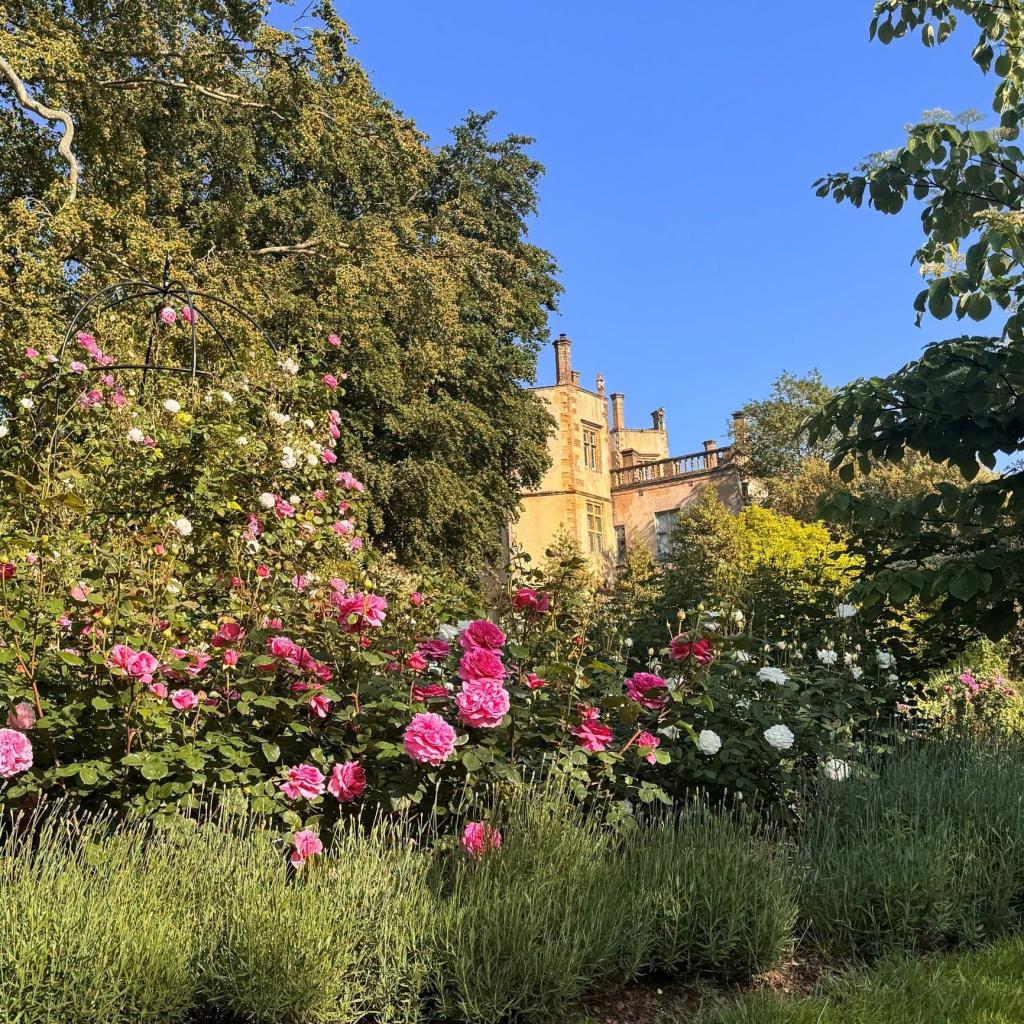
Overflowing flower beds, climbing roses, winding pathways and just the right amount of beautiful chaos. Cottage gardens are having another moment, and here in Dorset, the style feels particularly at home.
For years, contemporary garden design has leaned towards clean lines, carefully controlled planting and immaculate outdoor spaces. Now tastes are beginning to soften, with natural, nostalgic and slightly imperfect gardens finding their way back into the spotlight.
And it isn't simply nostalgia talking. A 2025 survey by Thompson & Morgan found that almost 40% of respondents chose the classic cottage garden as their favourite garden style. More recently, the emerging "grandma garden" trend has embraced many of the same ideas, with Ideal Home reporting that Pinterest searches for "grandma flower garden" had increased by 500%.
Perhaps the cottage garden never really disappeared. We just remembered why we loved it...
Traditionally, cottage gardens were practical spaces where flowers could grow amongst herbs, vegetables and fruit, making use of the land immediately surrounding the home. That mixture of usefulness and abundance gradually helped create the informal style we now recognise and romanticise as the English cottage garden.
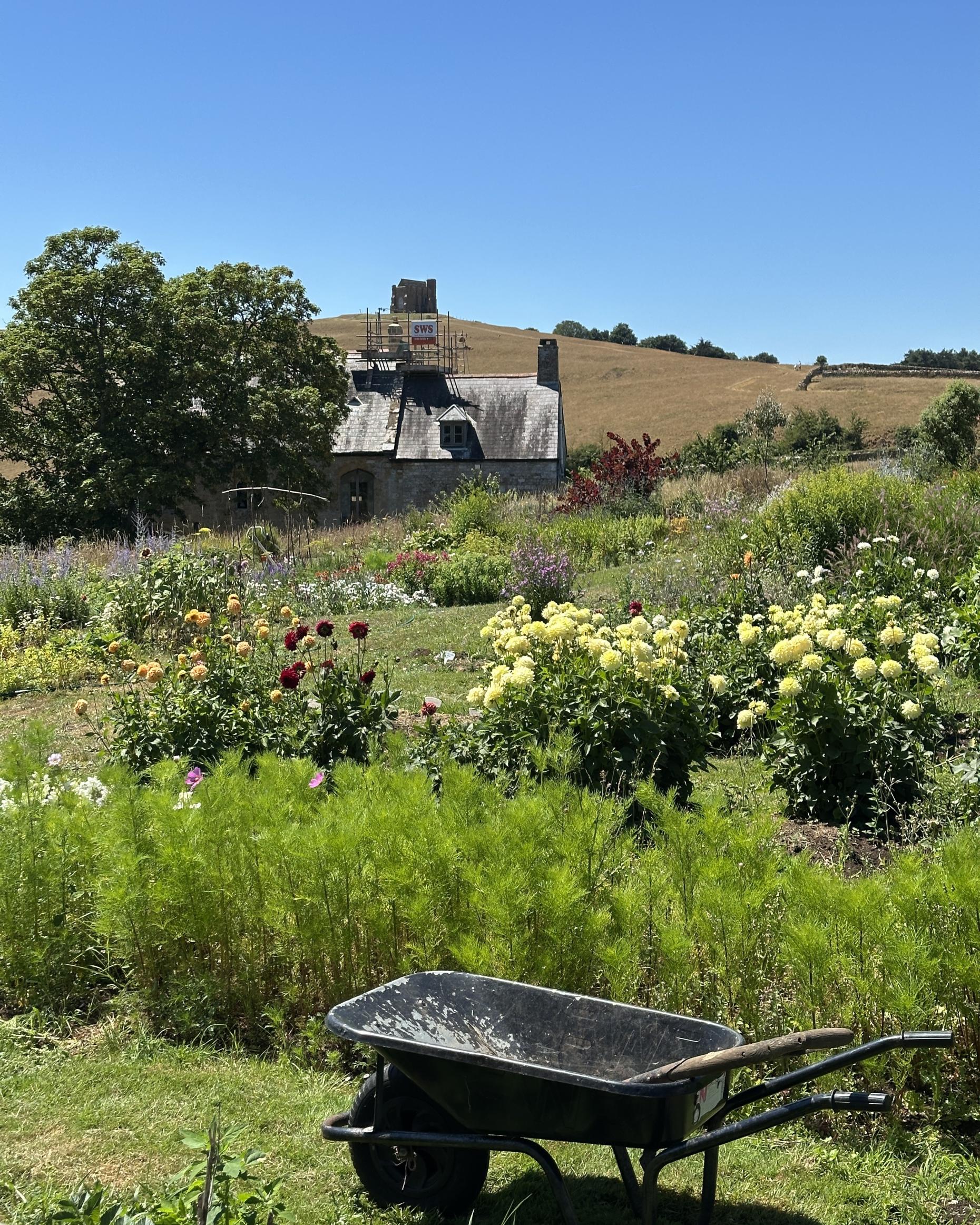
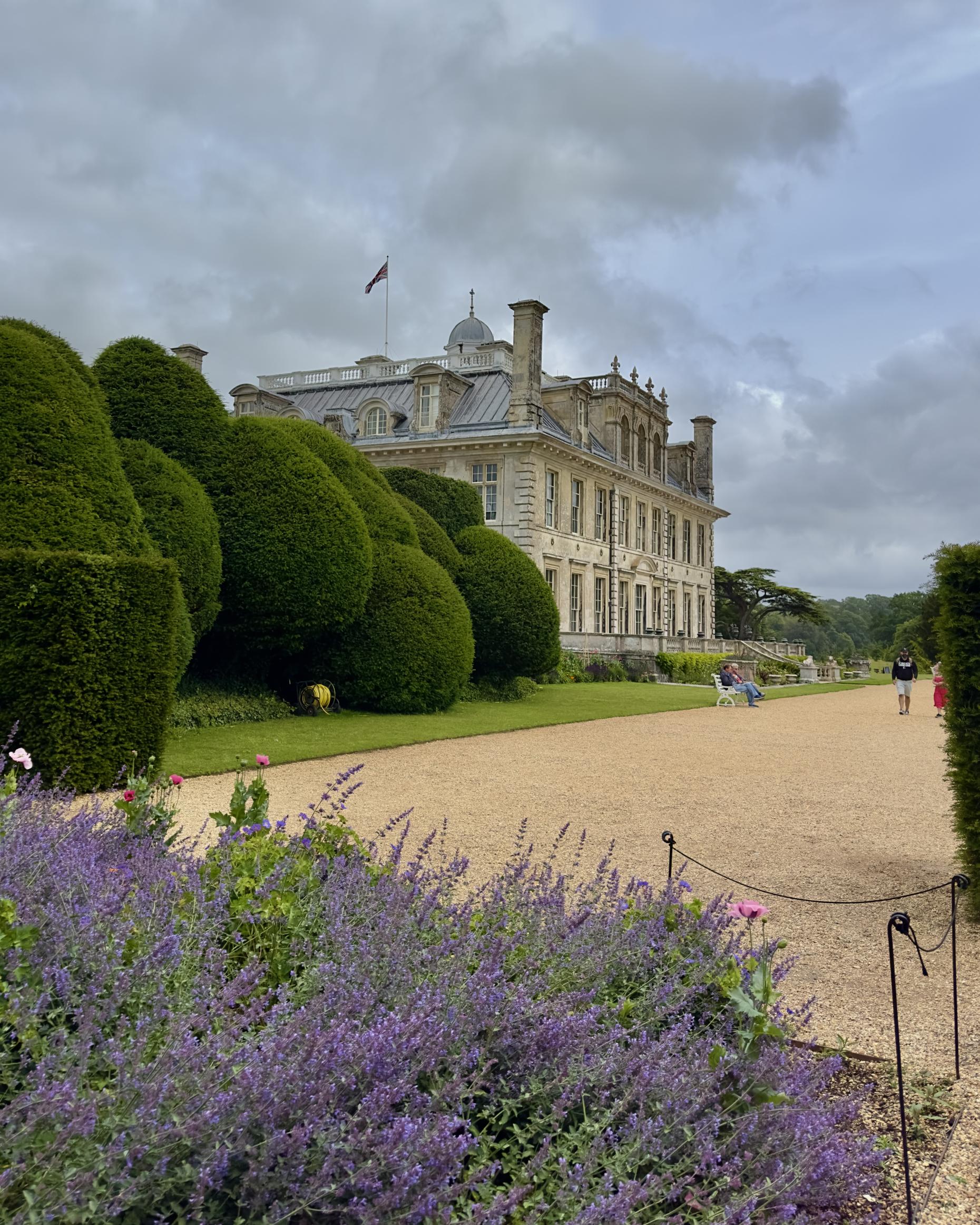
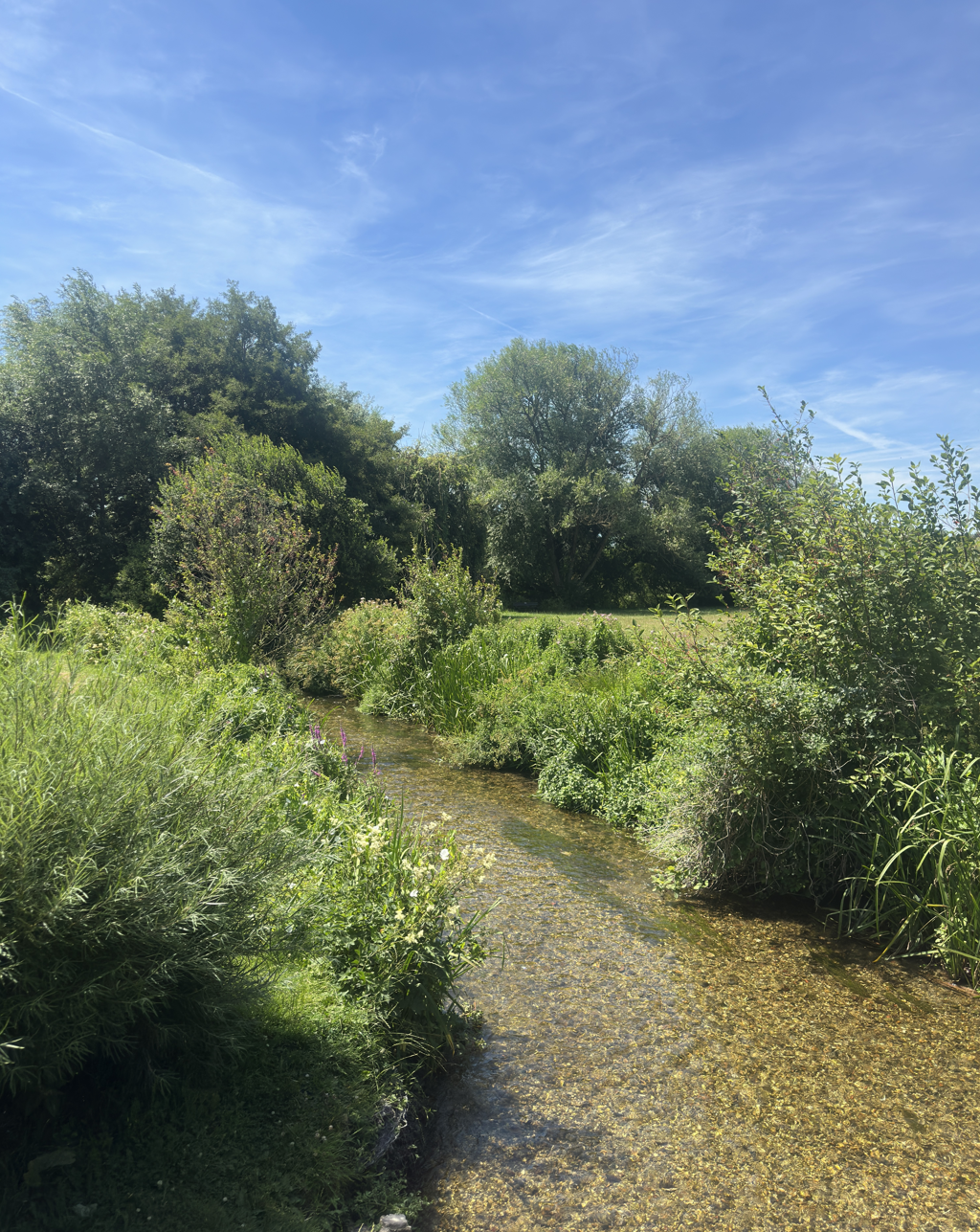
There are few places where the cottage garden feels quite as natural as Dorset.
Country living is woven into the character of the county. Beyond its larger towns and coastal resorts lies a landscape of rolling farmland, winding lanes, historic villages, hedgerows and homes built from traditional materials. Milton Abbas is one of the clearest examples. Its famous street of whitewashed cob and thatch cottages sits within a wooded valley between Blandford and Dorchester, creating an image of country living.
Travel further west and you'll find the historic village of Abbotsbury, while Cerne Abbas brings together traditional cottages, gardens and rural scenery beneath the surrounding hills. Head towards Purbeck and villages such as Corfe Castle and Worth Matravers offer their own version of Dorset country living, characterised by local stone, historic homes and the landscape that surrounds them.
It's part of what makes cottage style planting feel so appropriate here. Overflowing borders, climbing roses, foxgloves, lavender and herbs don't feel like an aesthetic simply placed onto the Dorset landscape. They reflect much of what already surrounds them.
But you certainly don't need to own a centuries old thatched cottage to embrace the look.
A Victorian terrace in Weymouth, a family home in Bournemouth or a courtyard in Dorchester can all borrow elements of the same style. Cottage gardening is less about recreating an image of traditional country living and more about borrowing the qualities that make it so appealing: colour, abundance, nature and a garden that feels connected to the place around it.
Perhaps that's why the cottage garden revival feels particularly fitting for Dorset. In many corners of the county, it doesn't really feel like a trend at all. It feels like something that was already here.
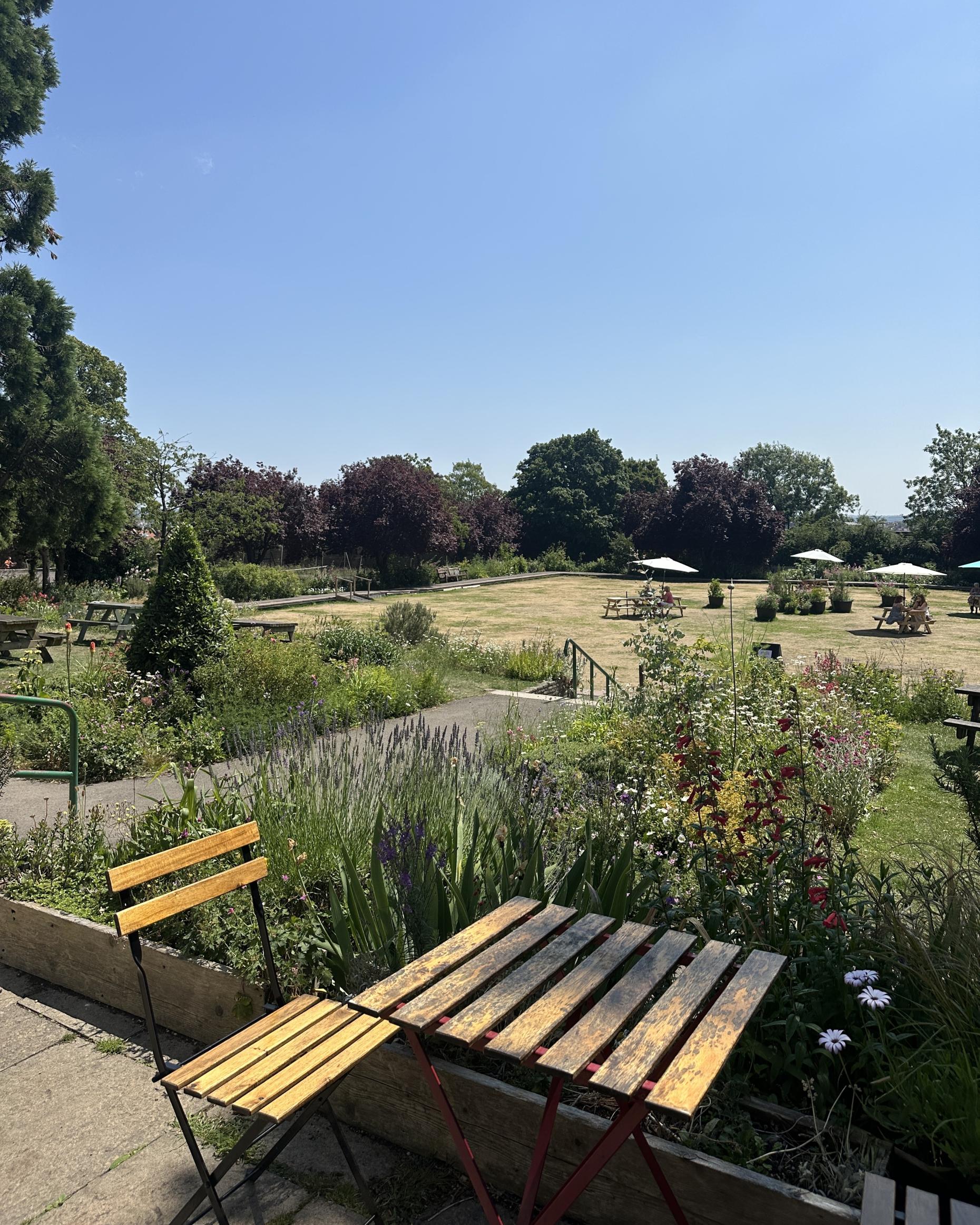
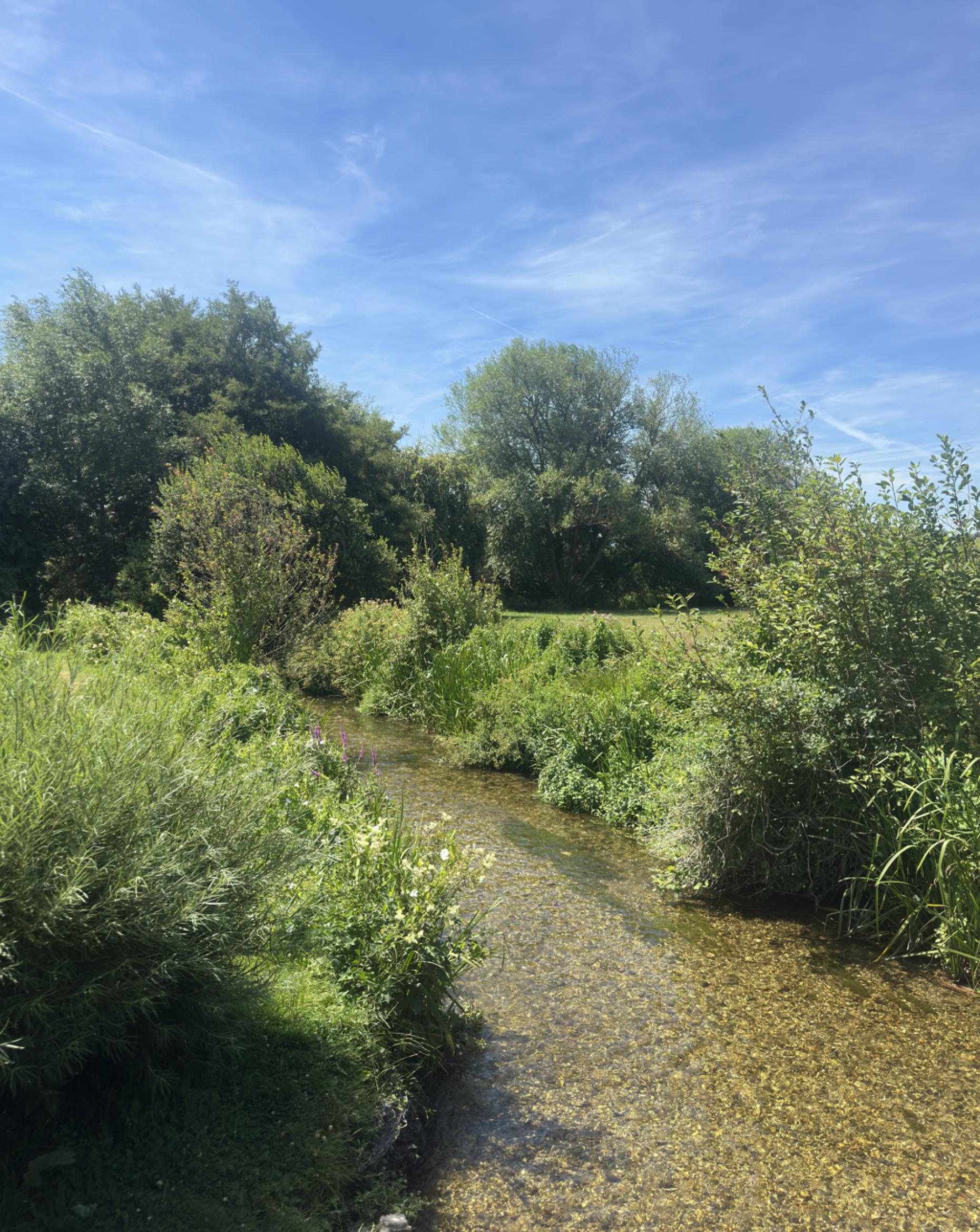
Perhaps the cottage garden revival is part of something bigger.
Across interiors, fashion and design, there seems to be a growing appetite for spaces that feel personal rather than perfect. After years of minimalism, neutral palettes and carefully curated aesthetics, individuality, nostalgia and self expression are finding their way back into the places we call home. Our gardens can become part of that too.
The cottage garden lends itself particularly well to creativity because there is no exact formula to follow. Favourite flowers can sit alongside plants passed down through families, herbs can mingle with roses, while old pots, reclaimed materials and unexpected colours can all find their place. Over time, the garden becomes a collection of choices, memories and happy accidents rather than something designed to match a particular template.
At the same time, growing awareness around wildlife and the importance of supporting smaller ecosystems could be playing another part in the renewed appeal of this style. Abundant planting, flowering herbs and nectar rich plants can provide food and shelter for bees, butterflies and other wildlife, while a less controlled approach allows the garden to become a living space rather than simply something to look at.
And creating your own doesn't need to begin with a complicated landscaping plan. It can simply start with imagination.
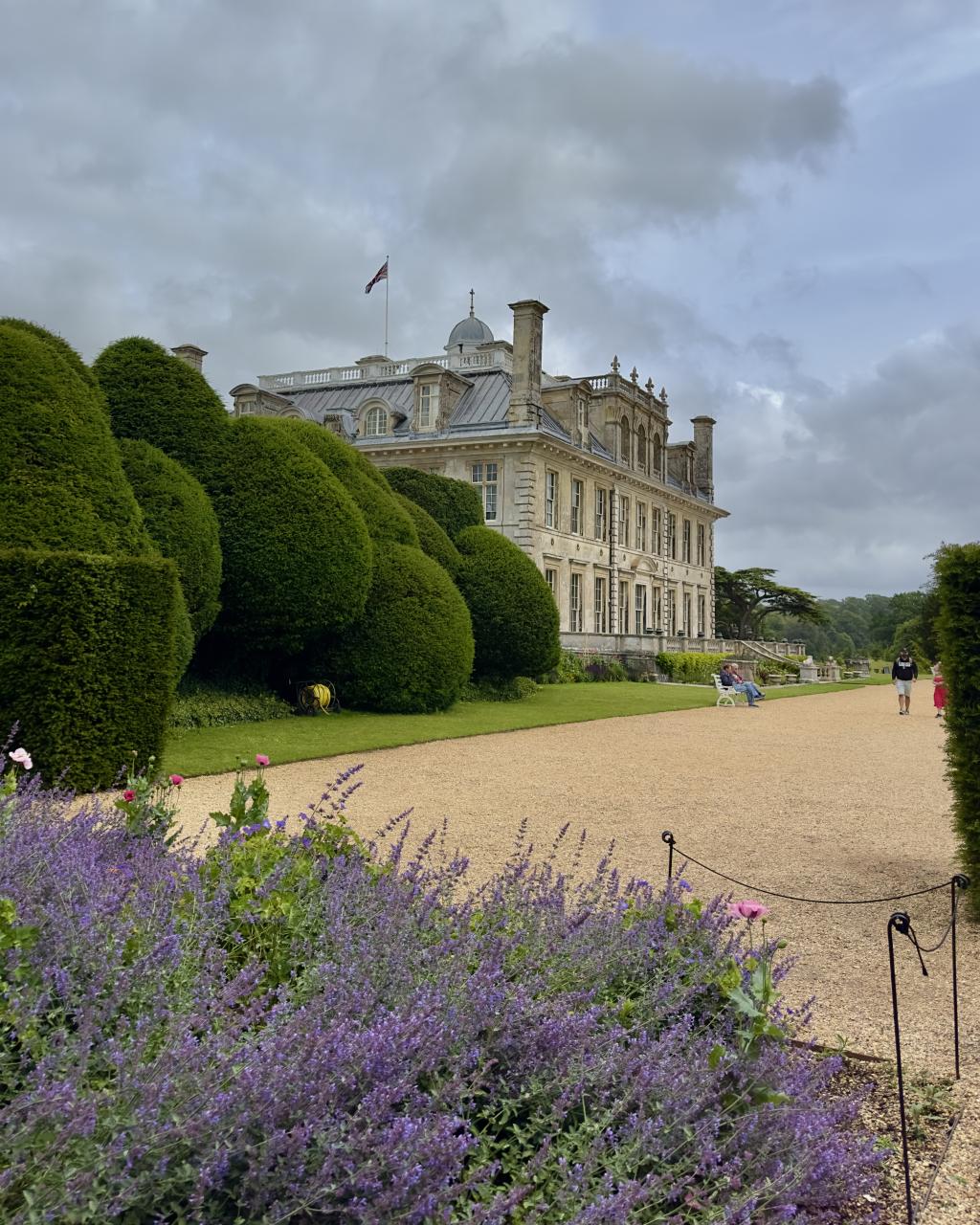
Think about heights, colours and textures. Tall foxgloves or delphiniums rising above lower planting, lavender softening the edge of a pathway, climbing roses adding height to a wall and different flowers weaving between one another. Add terracotta, timber or stone, allow plants to overlap and don't be afraid to let things become slightly unpredictable.
There isn't one correct cottage garden to recreate. That's precisely the point.
In a world where so much of what we see is polished, replicated and increasingly digital, perhaps there is something particularly appealing about stepping outside into a colourful, imperfect little ecosystem that couldn't quite belong to anyone else.
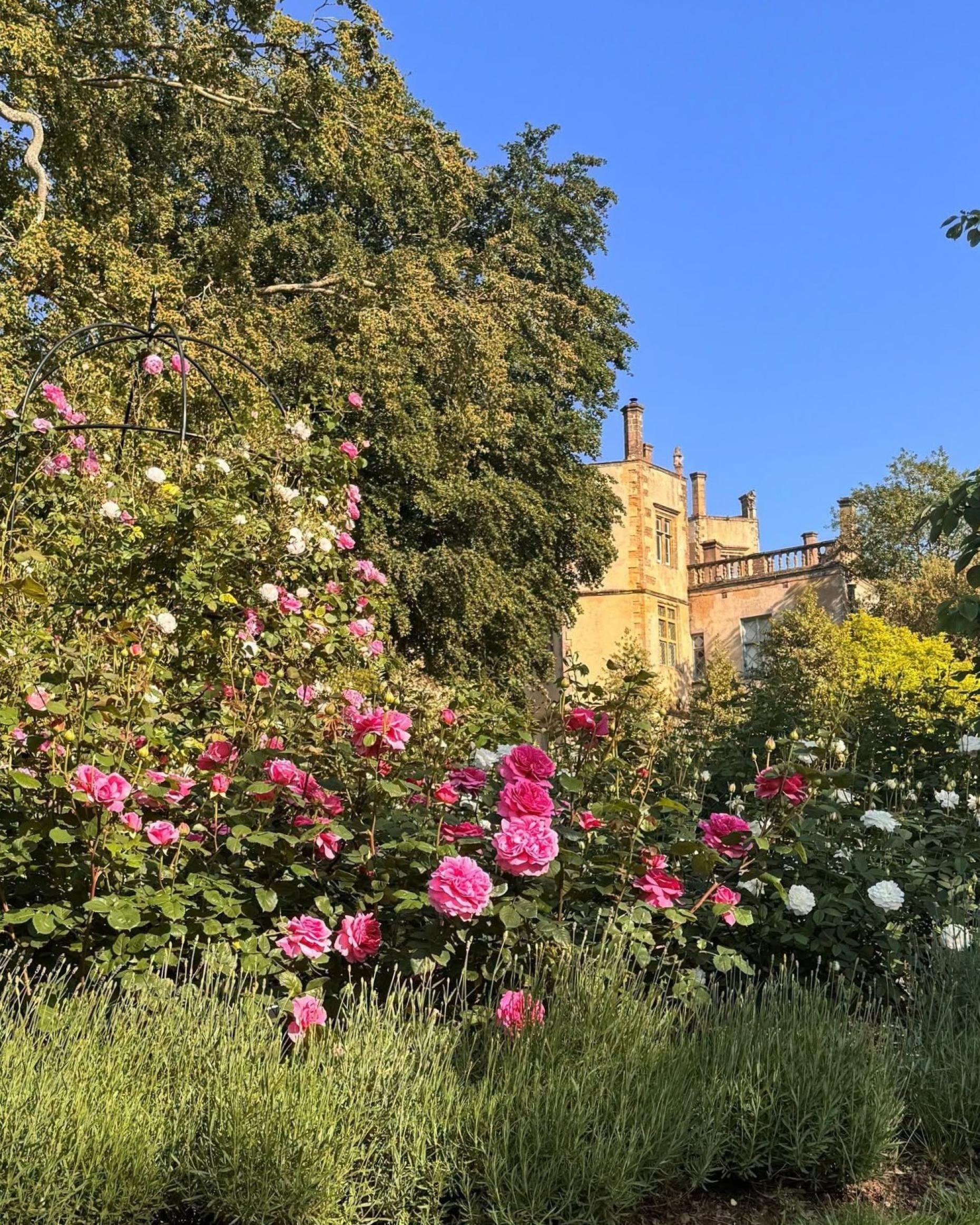

If you're feeling inspired, there are plenty of places around Dorset to start looking.
Stewarts Garden Centre in Christchurch combines centuries of horticultural heritage with a large selection of seasonal plants, shrubs, trees and gardening essentials.
Haskins Garden Centre in Ferndown offers an extensive plant department at its Longham centre, alongside pots, compost and everything needed to start transforming a border.
Wimborne Garden Centre is another useful stop, with seasonal bedding, shrubs, trees, alpines and plenty of gardening essentials.
For something a little different, Abbotsbury Subtropical Gardens & Plant Centre gives visitors the opportunity to take inspiration from one of Dorset's most distinctive gardens. Many plants sold through its specialist Plant Centre are propagated on site using seeds and cuttings collected within the Gardens themselves.
Cottage gardens have been part of the English landscape for generations. What's changing is our appreciation for the qualities that made them so enduring in the first place.
As gardens become softer, more wildlife friendly and less concerned with immaculate minimalism, the overflowing borders and beautiful imperfection of the cottage garden suddenly feel remarkably current again.
And amongst Dorset's cottages, countryside, coastal towns and historic villages, perhaps we were already living in the perfect place for their return.
Last Updated: August 2026


 Spanish
 Chinese (simplified)
 Dutch
Dutch French
 German
 Italian
 Norwegian
 Polish
 Romanian
 Russian