Compare popular skin rejuvenation treatments, including hyaluronic acid skin boosters, Profhilo and polynucleotides, and discover how different options target hydration, texture, elasticity and overall skin quality.
23rd October 2026
Skin boosters have become an increasingly popular option for people looking to improve hydration, texture and overall skin quality without necessarily adding the volume associated with traditional dermal fillers.
But "skin booster" is now used to describe a fairly broad range of injectable treatments. From hyaluronic acid treatments such as Profhilo to amino-acid formulations and regenerative treatments including polynucleotides, understanding the differences can make choosing a treatment confusing.
Here we look at some of the main options available through aesthetic clinics in Dorset, what they're designed to do and what to consider before booking a consultation.
Hyaluronic acid is naturally present within the body and has an important role in retaining moisture within the skin.
Unlike traditional dermal fillers, which are generally used to create or restore volume and definition, many hyaluronic acid skin boosters are intended primarily to improve skin quality.
Different products work in different ways, but treatments within this category can be used to address concerns such as dehydration, fine lines, texture and loss of radiance.
They can be used on areas including the face, neck, décolletage and hands, depending on the particular product and treatment plan.
May be considered for: Dehydrated or dull-looking skin, fine lines and general skin-quality concerns.
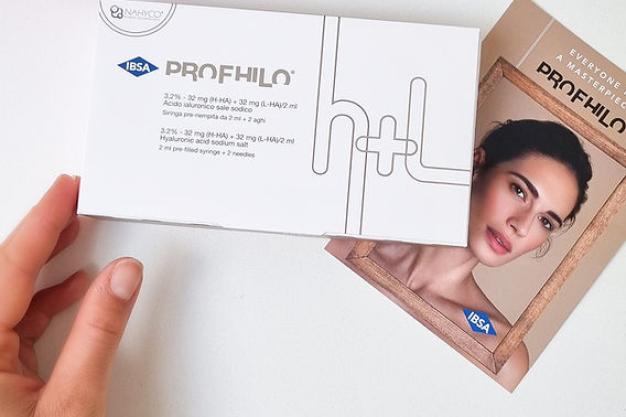
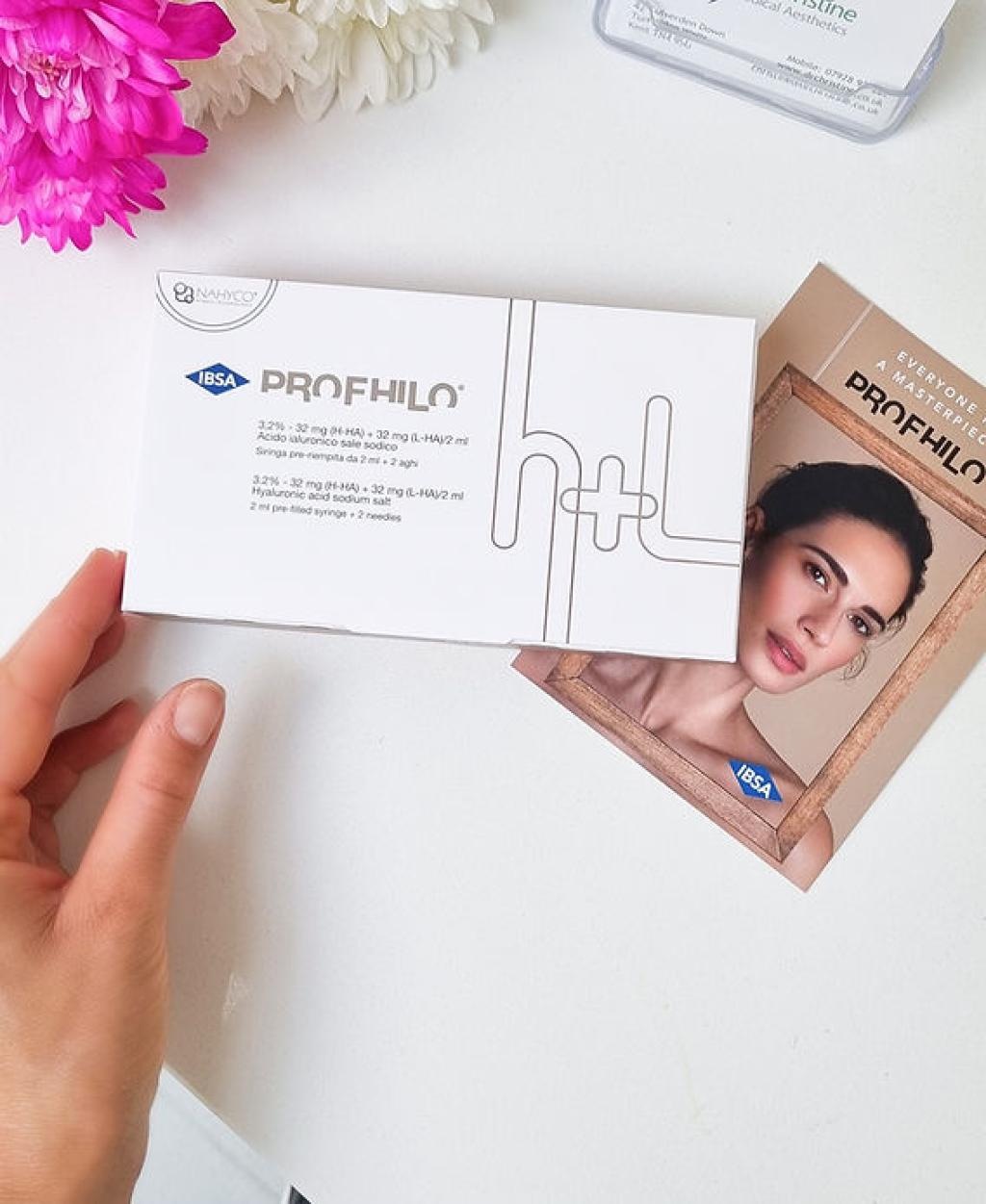
Profhilo is one of the best-known injectable treatments within this area of aesthetics.
Made using a high concentration of hyaluronic acid, it is injected at specific points before dispersing through the tissue. Rather than being used like conventional filler to reshape an individual facial feature, Profhilo is designed to improve hydration, firmness and overall skin quality.
Common treatment areas include the face, neck, décolletage and hands.
Treatment is typically carried out as an initial course rather than a single appointment, with the appropriate treatment plan determined during consultation.
May be considered for: Hydration, skin laxity, smoothness and overall skin quality.
Polynucleotides have become one of the most talked-about treatments within regenerative aesthetics.
Rather than simply providing hydration, these injectable treatments use purified DNA fragments, commonly derived from salmon or trout, with the aim of supporting skin repair and regeneration.
They're increasingly used to address concerns around skin texture, elasticity and signs of ageing, and can also be used in delicate areas such as underneath the eyes.
Because polynucleotides work differently from conventional hyaluronic acid skin boosters, it is useful to think of them as a separate regenerative treatment rather than assuming all injectable skin-quality treatments do the same thing.
May be considered for: Skin quality, texture, regenerative treatment plans and delicate areas including the under-eyes.
Some injectable treatments combine hyaluronic acid with amino acids and other supportive ingredients.
Products such as Jalupro and Sunekos sit within this broader category, with different formulations intended to support hydration and the skin's extracellular matrix, including collagen and elastin.
Depending on the product, they may be considered when concerns include fine lines, loss of elasticity, dehydration or changes in skin texture.
As formulations and protocols differ, the product itself shouldn't be the starting point. A consultation should establish the concern first and whether a particular treatment is appropriate.
May be considered for: Fine lines, hydration, elasticity and general skin-quality concerns.
The terminology can become confusing because clinics sometimes group these treatments together.
Broadly, hyaluronic acid skin boosters focus heavily on hydration and skin quality, while polynucleotides are associated with regenerative approaches to skin health and repair.
That doesn't necessarily make one treatment "better" than another.
Someone concerned primarily with dehydration may be discussing very different options with their practitioner from someone seeking treatment for crepey under-eye skin, texture changes or more general signs of skin ageing.
This is why choosing a treatment based purely on what is currently popular on social media isn't particularly helpful.
With injectable treatments, who carries out the procedure matters just as much as the product being used.
Before going ahead, find out who will perform the treatment, their medical qualifications and experience, what product is being recommended and why it is appropriate for you.
A proper consultation should also cover your medical history, expectations, possible side effects and risks, aftercare and alternative options, including whether no treatment may be the better choice.
Independent registers such as Save Face can also be used to find appropriately qualified and accredited practitioners.
There isn't one skin booster that's universally "best".
The appropriate option depends on your skin, concerns, medical history, treatment area and the result you're hoping to achieve.
If hydration and general skin quality are the priority, a practitioner may discuss a hyaluronic-acid-based treatment. For concerns where regeneration and tissue quality are the focus, polynucleotides may form part of the conversation. Other formulations can offer different approaches to hydration, elasticity and texture.
The important starting point is not choosing a brand from a treatment menu. It's having a consultation with an appropriately qualified practitioner who can assess your skin, explain the available options and determine whether an injectable treatment is suitable in the first place.


 Spanish
 Chinese (simplified)
 Dutch
 French
 German
 Italian
 Norwegian
 Polish
 Romanian
 Russian