Discover five famous faces with surprising connections to Dorset, from John Lennon’s Sandbanks retreat and J.R.R. Tolkien’s Bournemouth retirement to Mary Shelley’s unusual final resting place. Uncover the Dorset bridge accident that nearly ended Winston Churchill’s life and learn how Ian Fleming’s difficult schooldays in Purbeck created a remarkable link between the county and the world of James Bond.
17th July 2026
Famous People Connected to Dorset | Local History | Dorset Lifestyle
Dorset has attracted writers, musicians and political figures for generations, but some of its most remarkable celebrity connections remain surprisingly easy to miss. From the Sandbanks home John Lennon bought for his beloved aunt to J.R.R. Tolkien’s seaside retirement and Winston Churchill’s near-fatal fall from a bridge, we uncover five famous faces whose lives became unexpectedly entwined with Bournemouth, Poole and the wider Dorset landscape.
Dorset’s most famous cultural connections often lead us directly to Thomas Hardy, Enid Blyton and the writers inspired by the Jurassic Coast. Look a little deeper, however, and we find some more unexpected names.
A Beatle escaped to Sandbanks, the creator of James Bond endured a particularly uncomfortable Purbeck education, and one of Britain’s greatest prime ministers nearly lost his life in a Bournemouth chine.
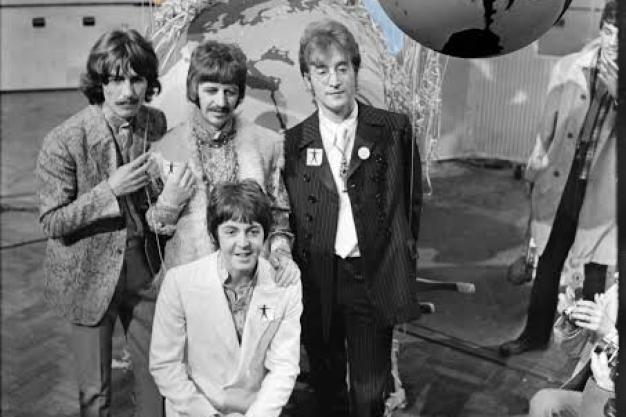
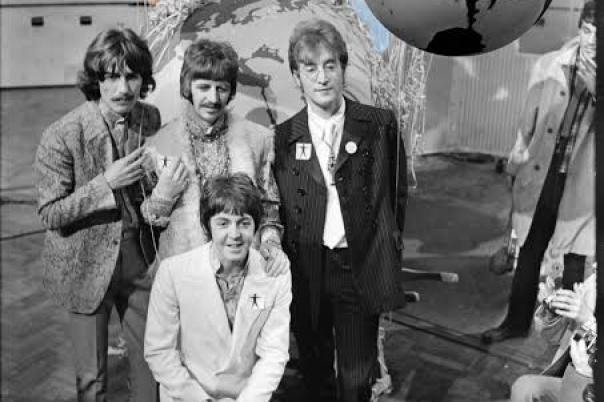
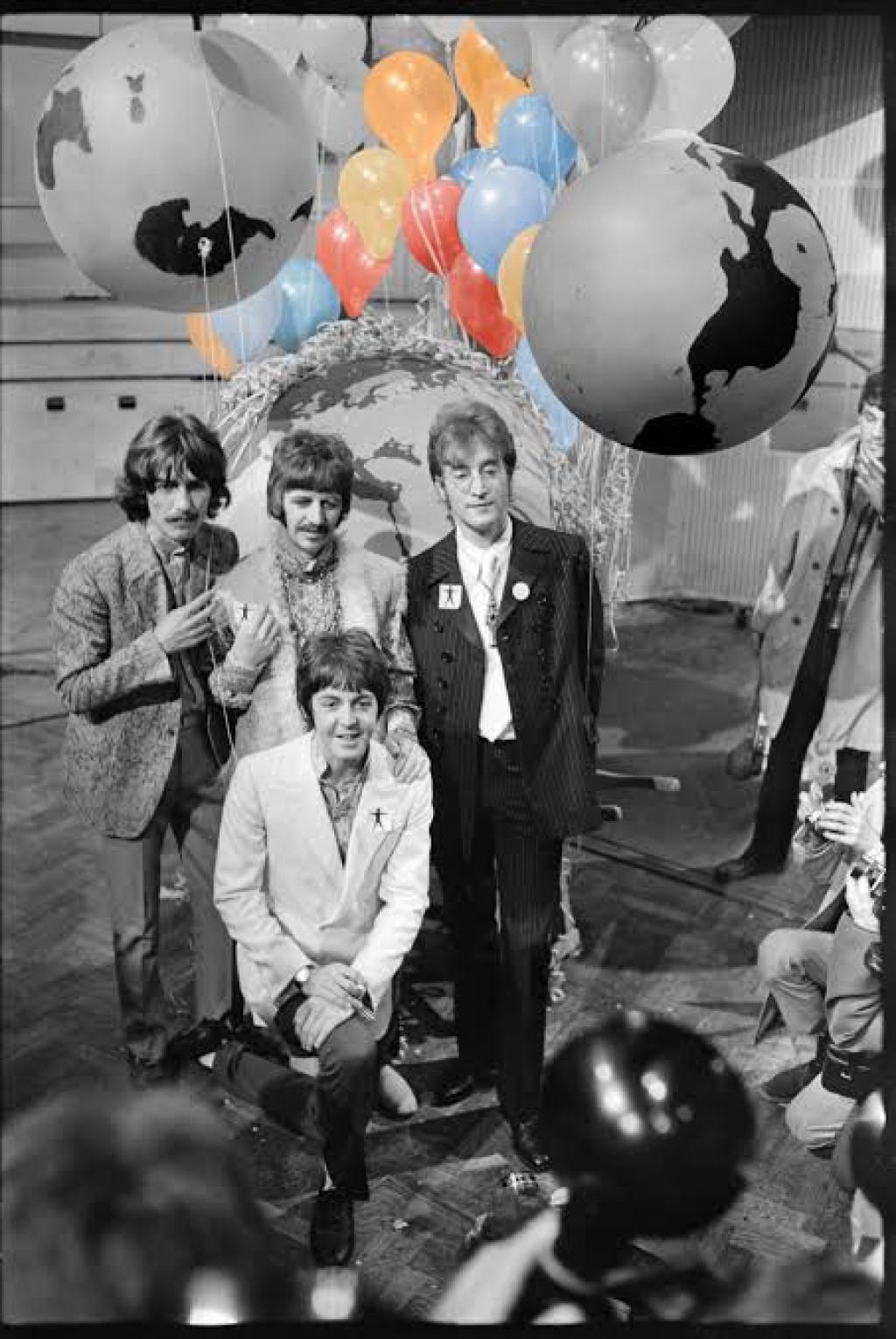
At the height of Beatlemania, John Lennon found an unlikely retreat on the edge of Poole Harbour.
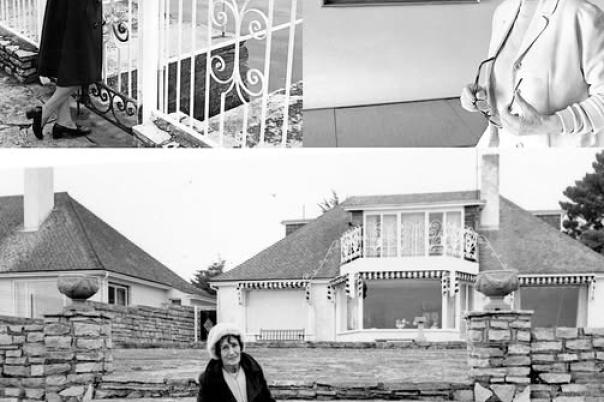
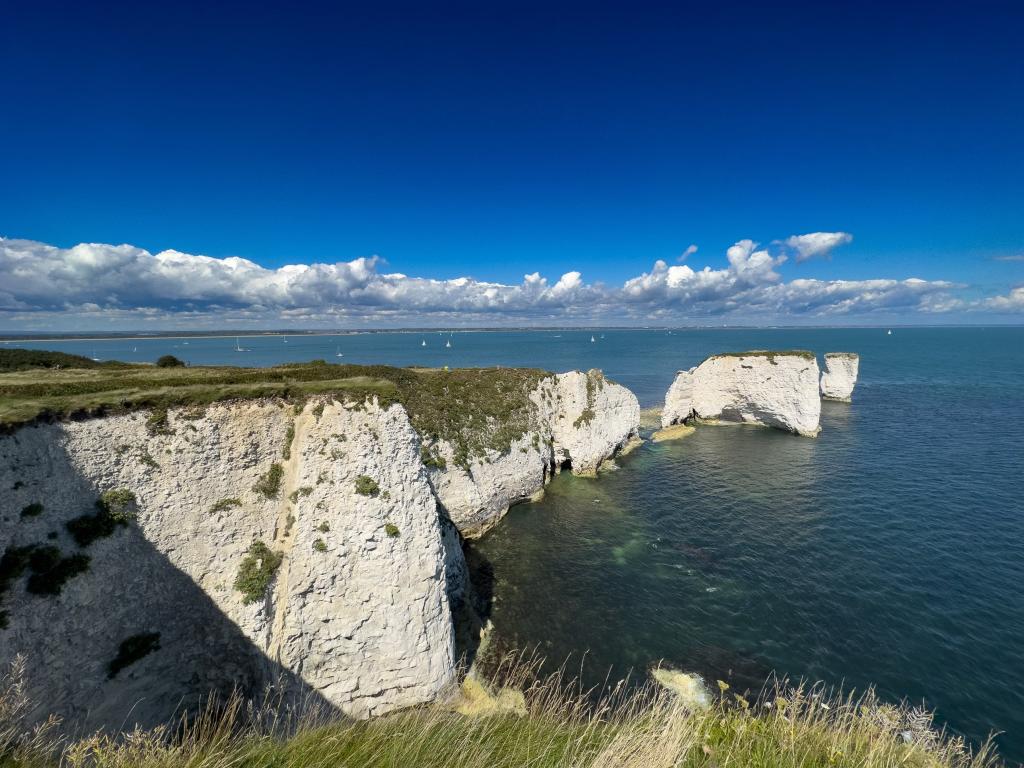
In 1965, Lennon bought a waterfront bungalow called Harbour’s Edge for his aunt and childhood guardian, Mimi Smith. Mimi had raised Lennon at Mendips in Liverpool, but relentless attention from Beatles fans made remaining there increasingly difficult. Her new home stood on Panorama Road in Sandbanks, looking across the harbour towards Brownsea Island.
Although Lennon never lived in Dorset permanently, he maintained his own room at the property and visited his aunt when he needed to escape the pressure surrounding the band. Local stories recall him arriving in distinctive cars, including his Rolls-Royce, and spending time walking along the comparatively empty beach.
The original bungalow was demolished and replaced during the 1990s, so the building standing on the site today is not the house Lennon knew. Nevertheless, its position on Panorama Road preserves an unexpected connection between one of the world’s most famous musicians and the Dorset coast.
Mimi remained in Sandbanks until her death in 1991.
Mary Shelley is closely associated with London, continental Europe and the dramatic landscapes surrounding the creation of Frankenstein. Her final resting place, however, is in the centre of Bournemouth.
The story begins with her only surviving son, Sir Percy Florence Shelley. During the late 1840s, he purchased Boscombe Manor with the intention that his mother could escape London and benefit from the area’s milder coastal climate.
Mary knew about the plans but never saw the completed home. She died in London in February 1851, shortly before she was expected to move to Boscombe.
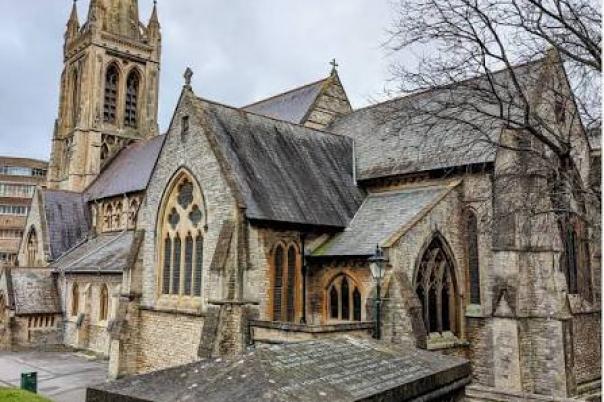
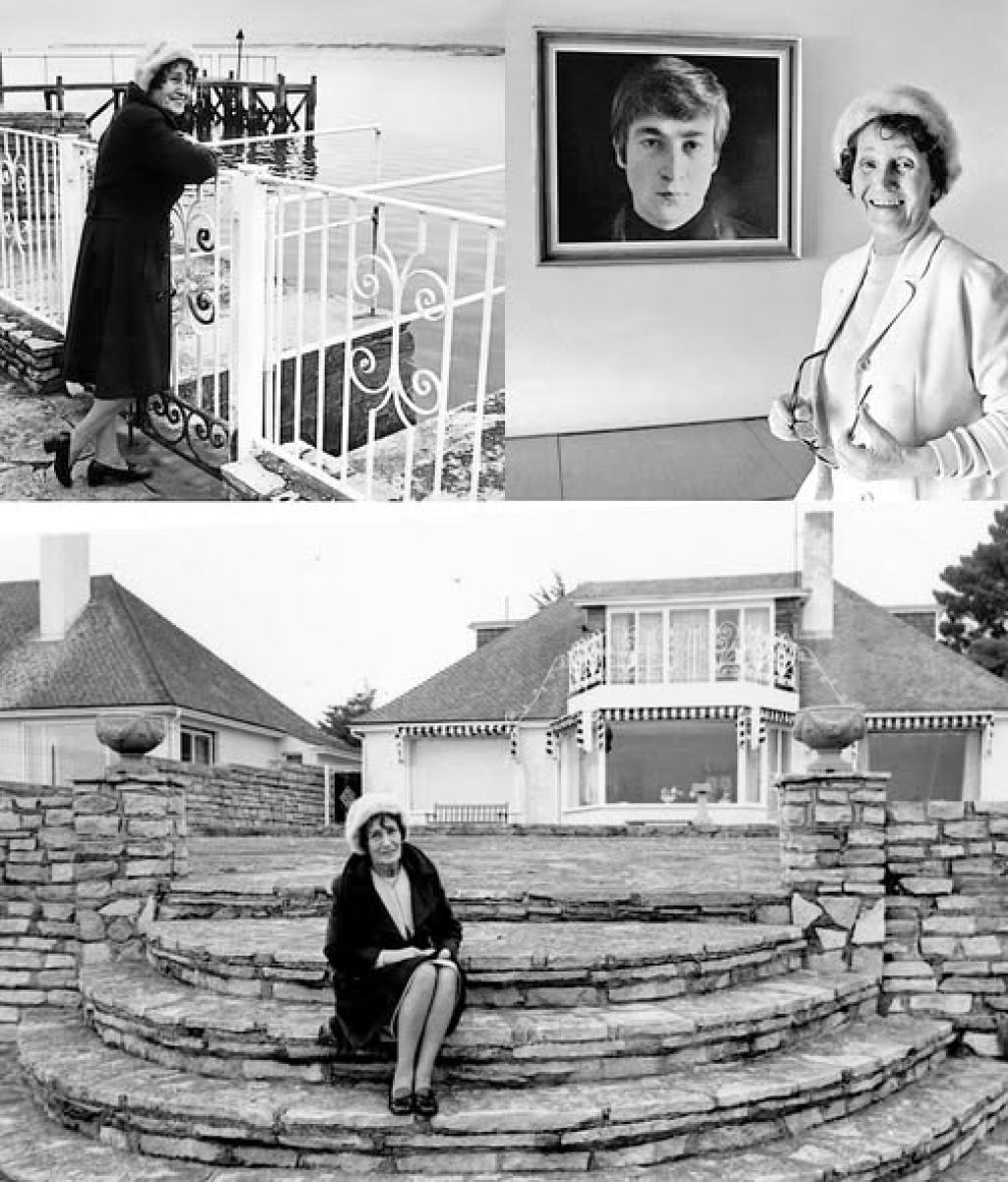
Her son and daughter-in-law chose to bury her at St Peter’s Church in Bournemouth, near their new home. Mary had wanted to be buried alongside her parents: pioneering feminist writer Mary Wollstonecraft and radical political philosopher William Godwin. Their remains were therefore moved from St Pancras in London and reinterred in the Shelley family tomb.
The grave is also traditionally said to contain the preserved heart of Mary’s husband, Romantic poet Percy Bysshe Shelley, who drowned off the Italian coast in 1822.
Boscombe Manor survives today as Shelley Manor, while its restored private theatre continues to carry the family name.
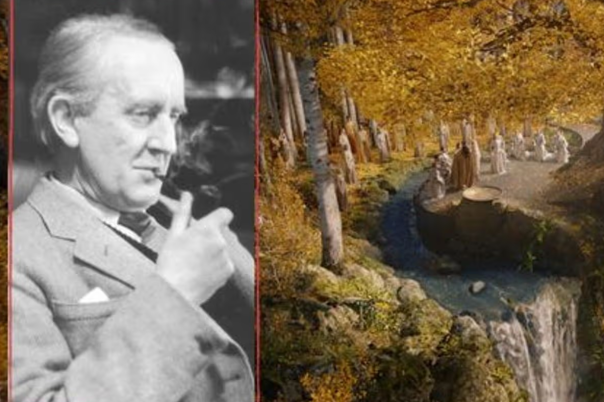
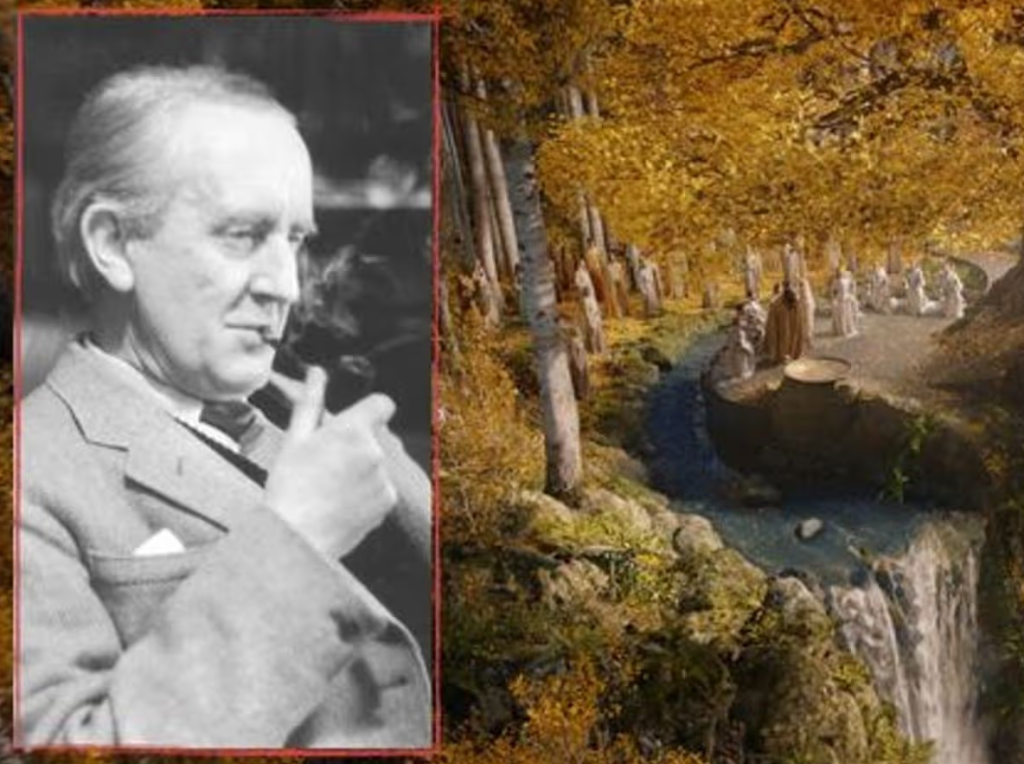
Middle-earth may have been shaped by ancient languages and the landscapes of rural England, but its creator developed a deep affection for Bournemouth’s seafront.
J.R.R. Tolkien and his wife Edith regularly stayed at the Hotel Miramar on the East Cliff from the 1950s onwards. These were not always brief holidays: the couple sometimes remained for months, booking one room as a bedroom and another where Tolkien could work.
The hotel identifies Room 205 as his former writing room, where his desk offered views across the sea. A blue plaque at the entrance now commemorates his connection to the building.
After retiring from Oxford University in 1968, Tolkien and Edith moved permanently to a bungalow at 19 Lakeside Road in Branksome Park, close to Branksome Chine. Bournemouth offered Edith a more sociable retirement, away from an Oxford academic world in which she had often felt uncomfortable.
The couple remained there until Edith’s death in 1971. Tolkien subsequently returned to Oxford, although he continued visiting Bournemouth. He died in 1973 after becoming unwell while staying with friends in the town.
The Lakeside Road bungalow was later demolished, but the Hotel Miramar remains the clearest surviving landmark from Tolkien’s Dorset years.
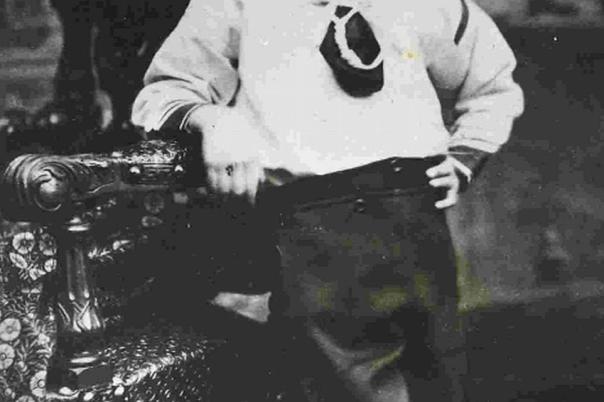
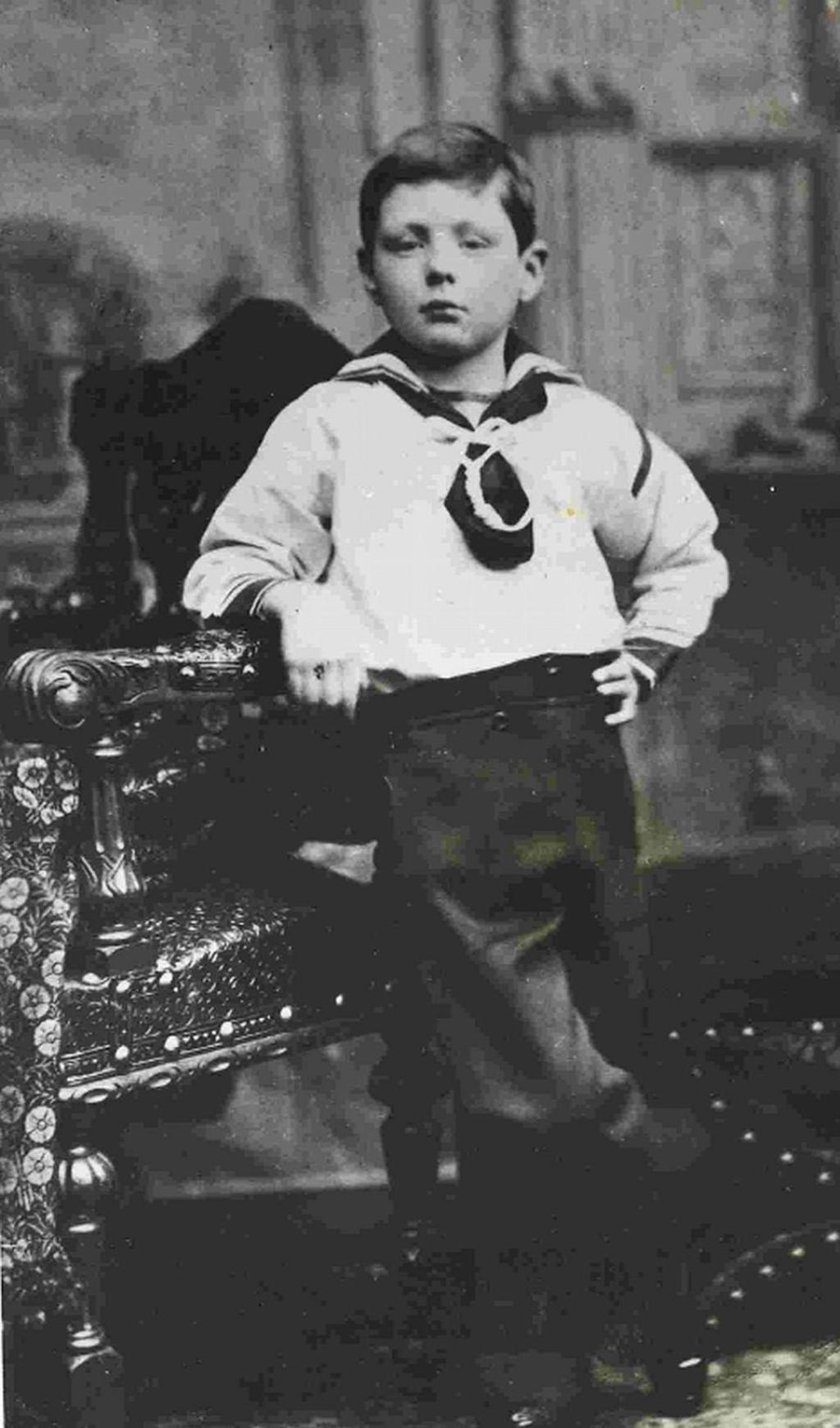
Long before Winston Churchill became Britain’s wartime prime minister, an attempted leap from a bridge almost ended his life.
In January 1893, the 18-year-old Churchill was staying near Bournemouth while preparing for another attempt to enter the Royal Military College at Sandhurst. During a game of hare and hounds, he found himself trapped on a bridge by his pursuers.
Churchill spotted a fir tree below and decided to jump into its branches, intending to slide safely down the trunk. Instead, he misjudged the distance and fell approximately 29 feet.
The impact left him unconscious and caused serious injuries, including a ruptured kidney. His recovery took weeks and delayed his progress towards Sandhurst.
Exactly where the accident happened remains a Dorset mystery. The traditional account places it at Alum Chine, and BCP Council’s history of the gardens repeats that connection. However, local historical research argues that the bridge actually crossed Branksome Dene Chine, close to the Canford estate belonging to Churchill’s relatives.
Whichever chine claims the story, the outcome is extraordinary: one mistimed childhood leap came remarkably close to changing British history.
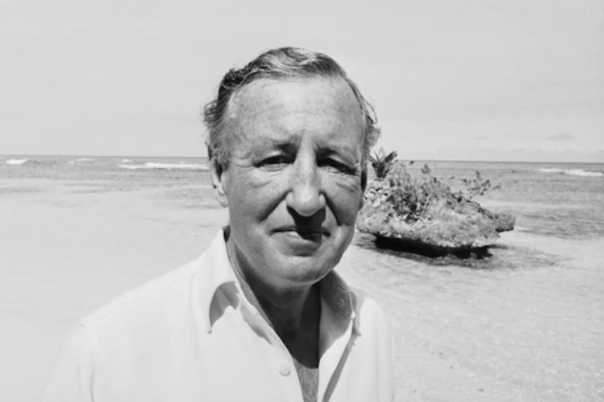
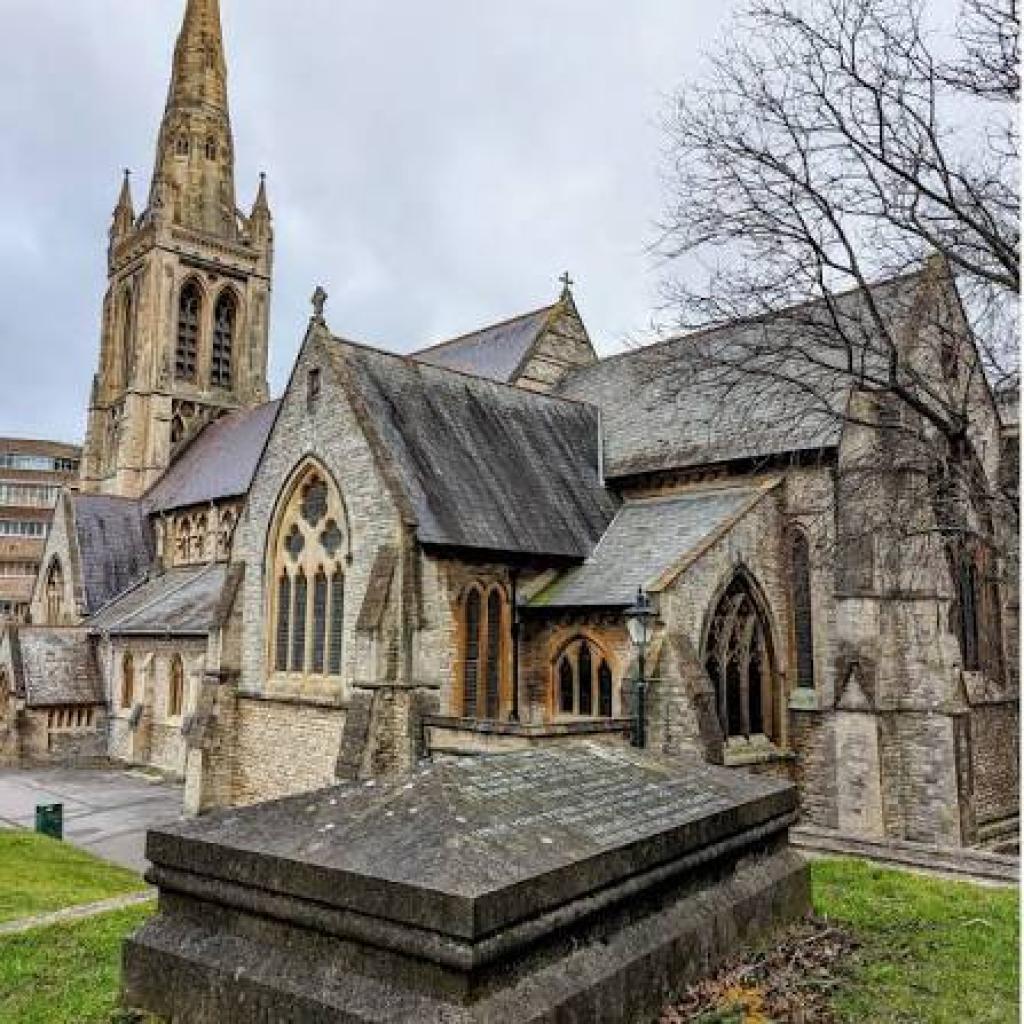
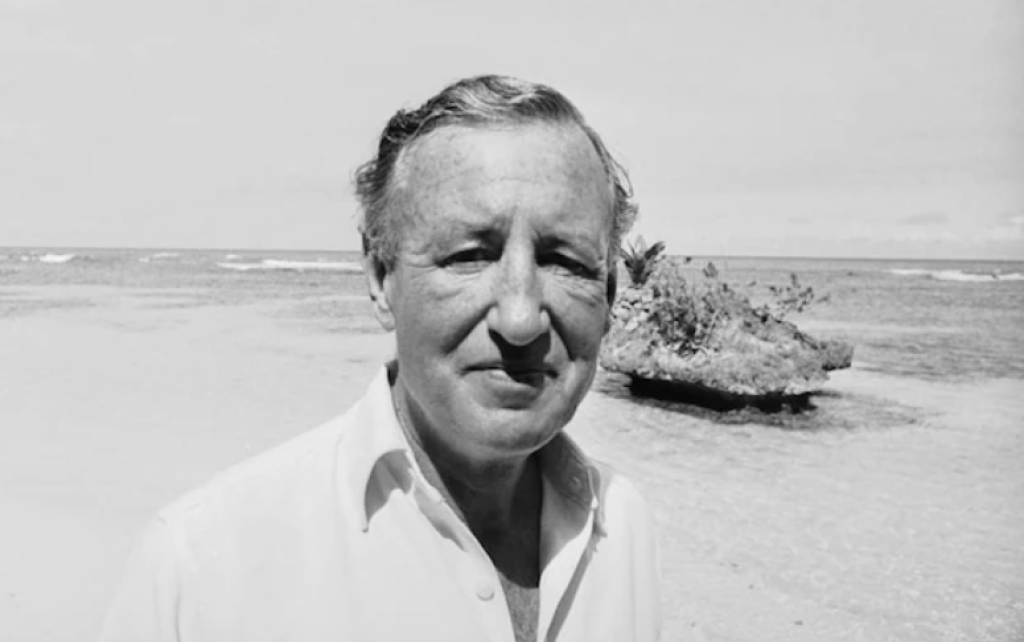
Before Ian Fleming created James Bond, he was a pupil at a notoriously demanding preparatory school near Swanage.
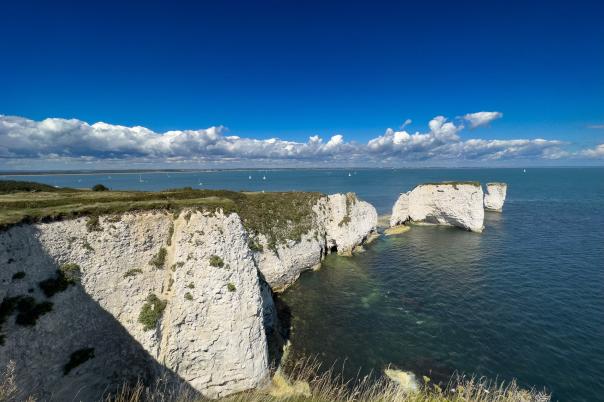
Fleming arrived at Durnford School in Langton Matravers in 1914. The school had a reputation for harsh conditions, unappetising food and a punishing routine. Boys were reportedly expected to make early-morning trips to swim from the rocks at Dancing Ledge, where a pool had been blasted into the stone.
Fleming did not remember the experience fondly, but the surrounding area may have left a more lasting mark on James Bond than anyone expected.
The school stood close to an estate belonging to the Bond family, whose ancestry reportedly included an Elizabethan spy named John Bond. Even more intriguingly, the family motto was Non Sufficit Orbis: “The World Is Not Enough”.
That phrase became the title of the 1999 James Bond film starring Pierce Brosnan, although Fleming had already adopted it as Bond’s family motto in the novel On Her Majesty’s Secret Service.
There is no conclusive proof that the Dorset family directly inspired the name James Bond, Fleming famously said he took it from an American ornithologist. Even so, the proximity of the Bond estate and its remarkably appropriate motto makes his Purbeck schooldays an irresistible part of Dorset’s literary history.


 Spanish
 Chinese (simplified)
 Dutch
Dutch French
 German
 Italian
 Norwegian
 Polish
 Romanian
 Russian